
Write that book this year!
Screenwriting Tricks for Authors

These are apocalyptic times, and I have to admit I’m struggling to focus. I’m managing to make my word count on my own book almost every day, mostly because I have a mission - this is a thriller about this horror show of a regime and about people who are going way out on a limb to fight it, and I feel an urgency about writing it that’s keeping me on track.
The rest of my day is online activism, family life, and sanity breaks for yoga, dance, Duolingo, counting birds in the garden for the RSPB…
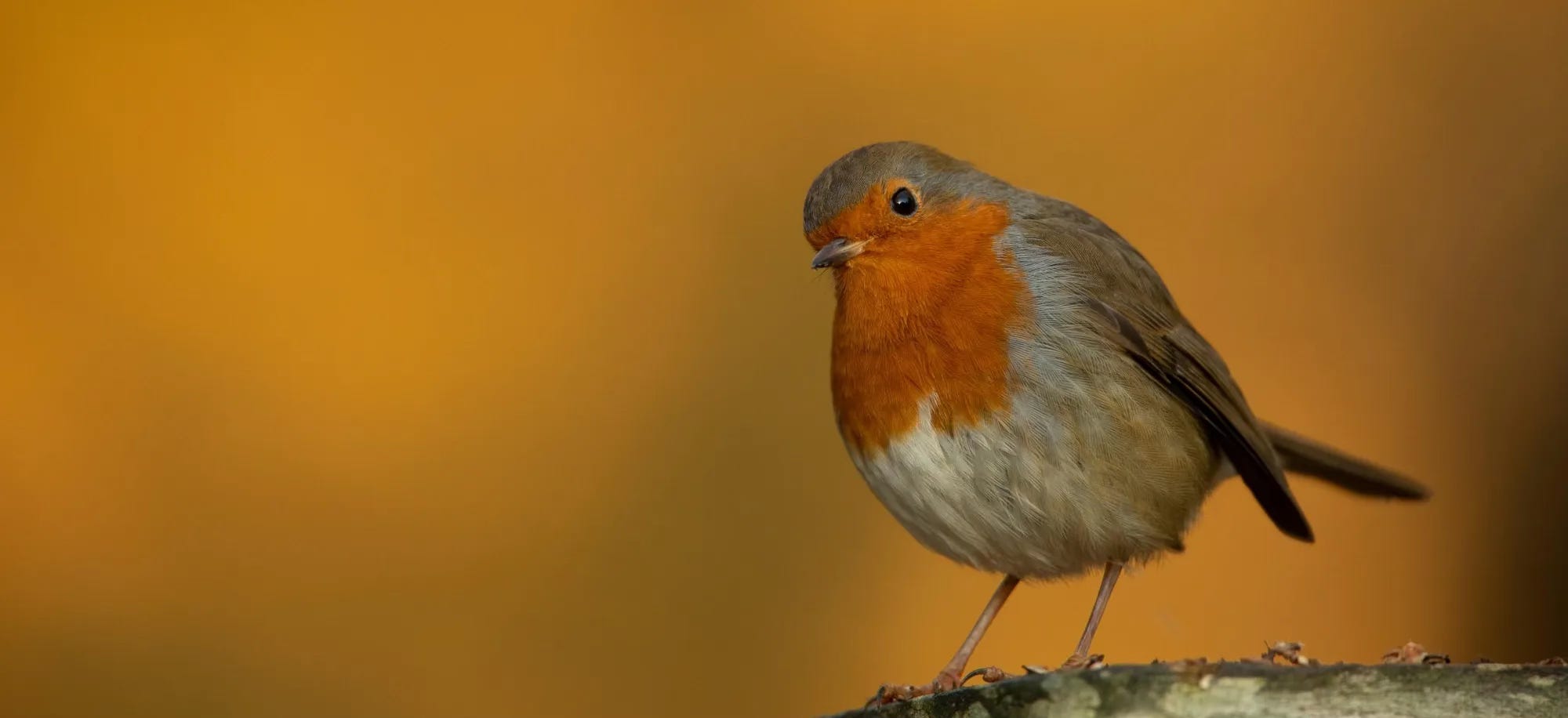
(There is a robin in our garden that comes right up to the window and stares at me to let me know it’s time to feed it. I’ve never seen a bird be so directly communicative.)
I truly hope you’re all finding your own methods of self-care.
Which brings me to the regular subject of this newsletter.
The goal is to write a (nother) book this year, right? Of course right! But you’re all at different stages of your book or script.

So today, here are a whole lot of posts to choose from, depending on the stage of your book you’re at:
If you are starting out knowing you want to write a book but with no real idea of WHAT book to write… I envy you!
Really! The discovery period of a book is possibly the most exciting.
I really recommend taking several weeks to just luxuriate in the discovery. And by the way - if you’re somewhere in the middle of your book already but having trouble getting going in the long dark days of winter - giving yourself a discovery period is a great way for you to fall back in love with your book. Try it!
1. Write down all your story ideas.
Seriously. All of them.
Books or scripts you’ve started but not done anything with. Themes that have crossed your mind. A character that doesn’t have anything resembling a plot. An actor you’d love to write for. The book or play you’d most love to adapt. People you would dearly love to kill. News articles that have stayed with you. A country you’ve always wanted to go to that you wouldn’t mind spending a year living in (in your head).
You get the idea. Be as random as possible at first. Literally anything that crosses your mind as interesting.
And it will also help to:
2. Make a Master List of favorite movies and books.
If you’ve done Master Lists before, make a new one for this new book. The thing about a Master List is that it’s always changing, just like you are!
Once you have a list of ten (or more) movies and books that draw you, watch and read them! Wallow in the characters, themes, settings. Is there a genre that’s calling to you? Expand your wallowing into classic movies and books in that genre.
When you’re ready, go on to the next question, below!
Do you have an idea but need to test if it’s engaging enough to attract an agent, publisher, readers, actors producers? Go here:
Identifying the ACTION LINE of your story. (Recommended for writers at all stages of the book or script)
Have you tried writing a book or script before but never finished? Or you’ve written a book but it took you years and you know you need to up the pace if you’re going to make a living at it?
Then I urge you to put some time into understanding the Three-Act, Eight-Sequence Structure of movies and how it makes writing a novel not only make sense, but actually feel doable!
Do you have a PREMISE but need some help brainstorming scenes and fleshing out your story?
Narrative Structure Beat Sheet in Stealing Hollywood - Chapter 18
Are you tackling ACT I?
Inciting Incident/Call to Adventure: Something Has To Happen, Immediately
Are you just moving into ACT II?
Act II: Part 1 Elements - VIDEO
Whether you’re writing a book or a script, it’s incredibly useful to think of Act II as two separate Acts, which we’ll call Act II: 1 and Act II: 2, which have their own very specific story elements, and which are very different in feeling and tone from each other.
The MIDPOINT CLIMAX divides the second act of a book or a script into those two distinct halves.
MIDPOINT
The MIDPOINT Game Changer - VIDEO
ACT II: Part 2
Act II: Part 2 is where we writers all tend to get hopelessly lost! But not to worry - this is where your protagonist is supposed to be stumbling around, hopelessly lost. I can’t promise to make it easier to write - but you CAN learn to embrace the dark!
ELEMENTS OF ACT III
And -
Don’t see the exact problem you need help with?
Try the TABLE OF CONTENTS!
Or just ask!
Finally - if you haven’t done your anti-fascist activism today, I really urge everyone to read Simon Rosenberg’s Substack detailing ICE plans to turn a grotesquely huge Arizona storage facility into a concentration camp. Similar atrocities are going on all over the country.
We MUST protest and block these camps with every means we can create. Over a thousand residents showed up at the Surprise, Arizona city council meeting to voice their opposition and horror. The newsletter includes video footage of the proposed concentration camp and a gut-wrenchingly powerful protest by a so-far unnamed resident. Please watch and share widely.
Subscribe to Screenwriting Tricks for Authors for free weekly story structure posts.
Paid subscribers get access to the full archives and the option of private story feedback. Thanks for reading!

Get the workbooks:
Stealing Hollywood ebook, $4.99, also available as print workbook
Writing Love ebook, $2.99
Need some help? The Screenwriting Tricks for Authors workshop is available online, as a self-paced course with all the videos, assignments, movie breakdowns and personalized feedback you need to get that book written this year, 15 minutes at time.
In three parts, and you only pay for what you use.
If you have a first draft of a book or script already, or need more feedback, get targeted help getting you over the finish line in The Writers’ Room.
All material © Alexandra Sokoloff, Screenwriting Tricks for Authors
Hi Alex. I have my book plotted, always understanding things can change. I've got two polished chapters and a couple in progress. ChatGPT has been a godsend for me in terms of research and getting my ideas sorted out quickly. I still love my human critiquers, but this way I get off my hamster wheel quickly. I have hopes of actually writing it in a year!
It looks like my biggest problem with this book is the number of narrators I need to cover all the aspects of the story, but I think just naming them at the start of the chapter will suffice. At the moment I'm stuck since this particular chapter has two possible narrators of equal value - well not stuck, I've started with the one who has the most conflict going into the scene, but I lose being able to look at him and his world with more attention from the other POV. I may need to write both versions to see if there's a better one.
Looking forward to your next one! And I like your bird friend.
I'm in the middle of my book, writing about 4000 words/week. Not quite writing every day as prescribed, but feeling good momentum.
Going off now to read Simon Rosenberg. I'm sure it will be horrifying.