
Creating CHARACTER ARC
Inner & Outer Desire

We’ve all heard that CHARACTER ARC is what makes a great character. But here’s the simple secret to Character Arc:
What your Hero/ine says and thinks they want is NOT what they really need!
I’m thinking about Casablanca today, for painfully obvious reasons. This great anti-fascist movie took a main character who, like the United States at the beginning of World War II, was stubbornly, determinedly neutral. Rick’s character-defining line: “I stick my neck out for no one” tells us exactly who he is: a selfish, cynical, proudly capitalist businessman who avoids taking sides in the war against Hitler because he doesn’t think the rise of fascism affects him personally, even as he sees refugees being dragged out of his own nightclub by Nazis. 1
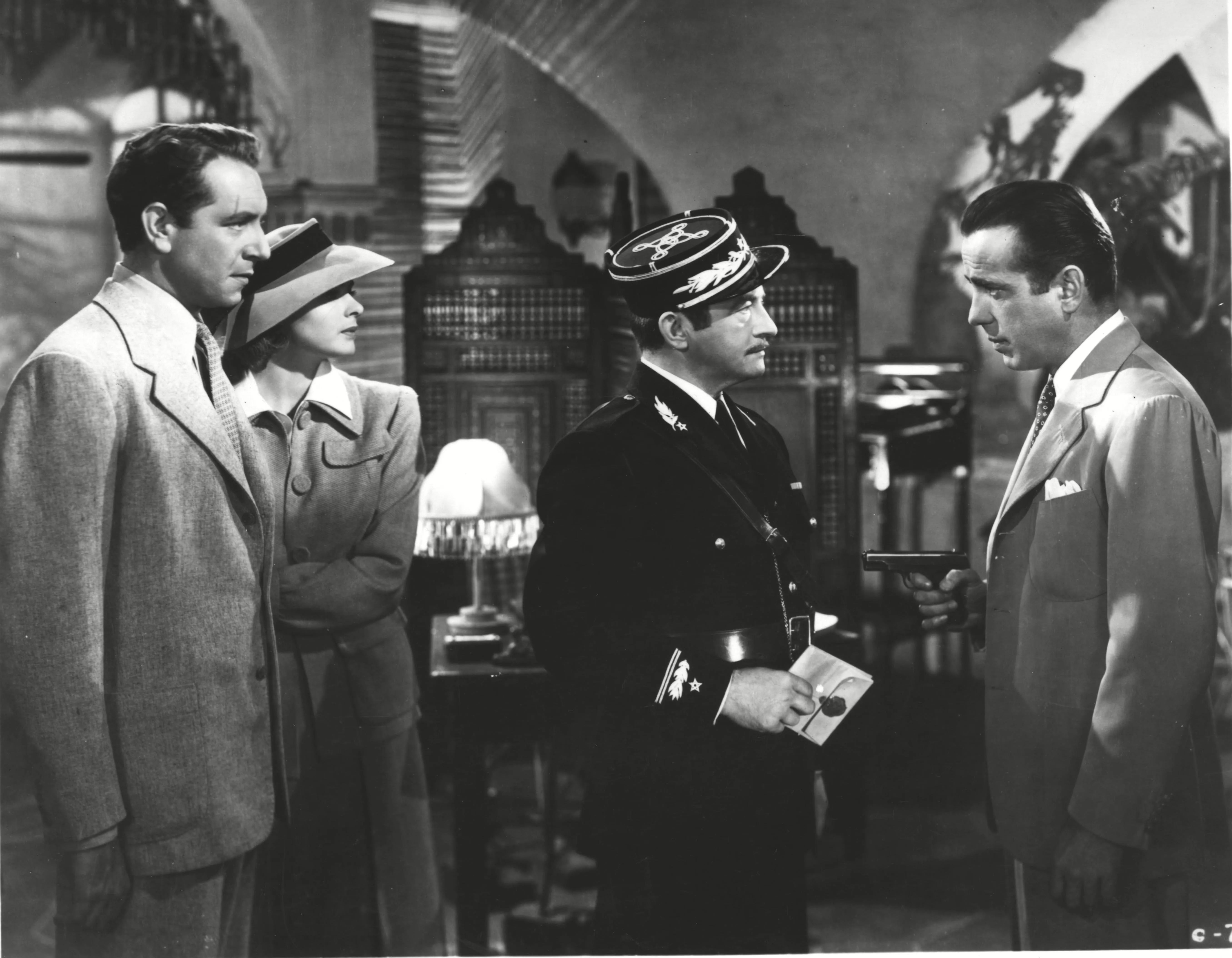
But by the end of the movie he not only joins the great resistance - he gives up the love of his life to do so, conceding that Ilsa’s husband, resistance leader Victor Lazlo, is the better man and the world needs Ilsa fighting at Lazlo’s side.
THAT is Character Arc.
The lesson here is that to create a strong arc for your own character, you need to start them at a point that gives them the opportunity for large growth. They have to be wrong about what they want, and wrong about the way they’ve been living.
Then in the course of the story, they gradually realize that they’re wrong, and they let themselves admit what they really want and how they really want to live.
Essentially, for all your character’s life so far, they have not achieved what they truly DESIRE.
They have been pursuing an EXTERNAL GOAL that is not going to make them happy or whole.
But hopefully, through the crucible of your story journey, they will finally become who they were meant to be.
That external goal is their OUTER DESIRE. This is what they say they want.
And it’s crucial that they say it, clearly - and/or that someone else states it for them. The audience or reader needs to know!
You, the author or screenwriter, also need to know your character’s INNER DESIRE, or DEEP NEED: What will make your character truly happy or fulfilled?
These are not just two different desires - they are probably in direct conflict!
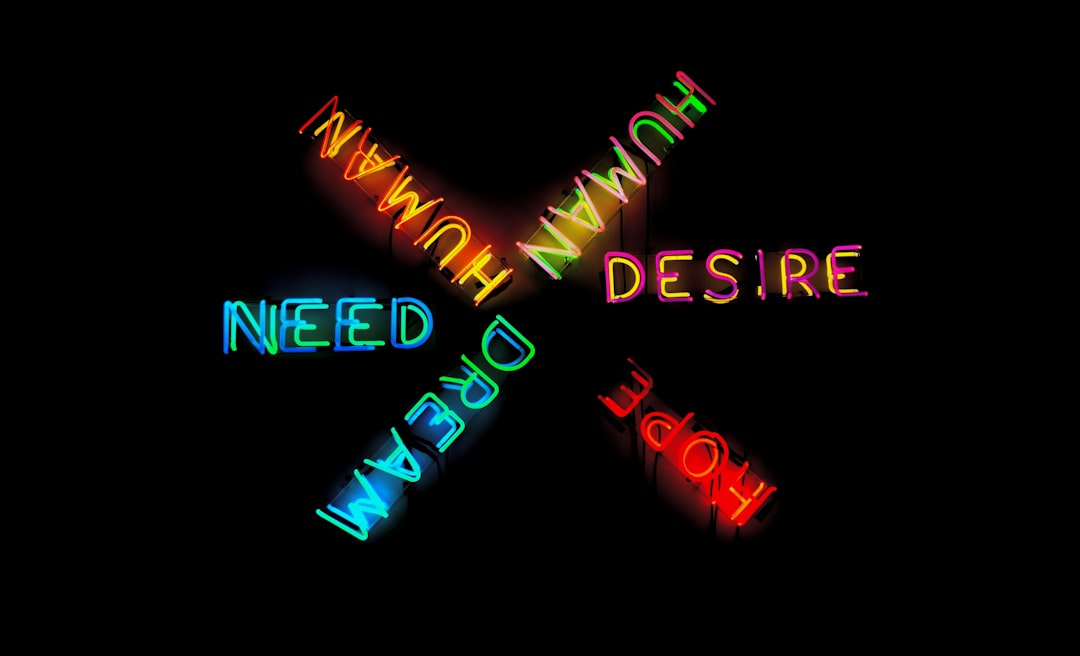
And here’s an interesting thing: in Act II: Part 2, this INNER and possibly even unconscious DESIRE is surfacing and bringing all that internal CONFLICT into play. This contributes mightily to the feeling of chaos that is so characteristic of the third quarter of a book or script.
Let me note two exceptions, or variations:
If you’re writing a TRAGEDY, or HERO/INE FALLS story, the protagonist ends at a far lower level than where they started. So to set up this emotional devastation, Act II: Part 2 tends to show them WINNING, to make that Act III plunge into tragedy that much more wrenching.
In the case of SERIES CHARACTERS, at the end of the book your protagonist’s journey/quest is not over, so obviously not everything is going to be resolved. But a Book 1 in a series is essentially an “origin story,” where the character has an ARC of accepting a certain destiny, an overall job they’re meant to do in life, repeatedly. So that destiny is generally their INNER DESIRE.

To lock these concepts in, read through some examples from classic movies:
Now let’s apply it to your own character/s!
Here are some questions to help you dig deeper into your main character’s Inner and Outer Desire.
What is your Hero/ine’s stated, EXTERNAL GOAL?
What do you see as their true NEED? What will actually make them happy, fulfilled, whole?
How do those two desires CONFLICT?
Once you’ve answered those questions, try these:
What has made your character blind to what they truly need?
Does your character’s inability to see what they really need have anything to do with a past trauma, their WOUND or GHOST?
What are the points of your story that show an evolution in your character’s perception of what they truly need?
At what points do they FAIL at getting what they want, and how do we, the reader or audience, get a glimmer of the failure happening because the protagonist is going after the wrong thing?
When does your protagonist really understand what they’ve been doing wrong, and what they really want?
And if you don’t have any scenes that show the above, then how might you layer those points of perception and evolution in?
This post will help you answer this vital question:
And if you’re more in the mindset of fighting fascism today, here’s a great guide:
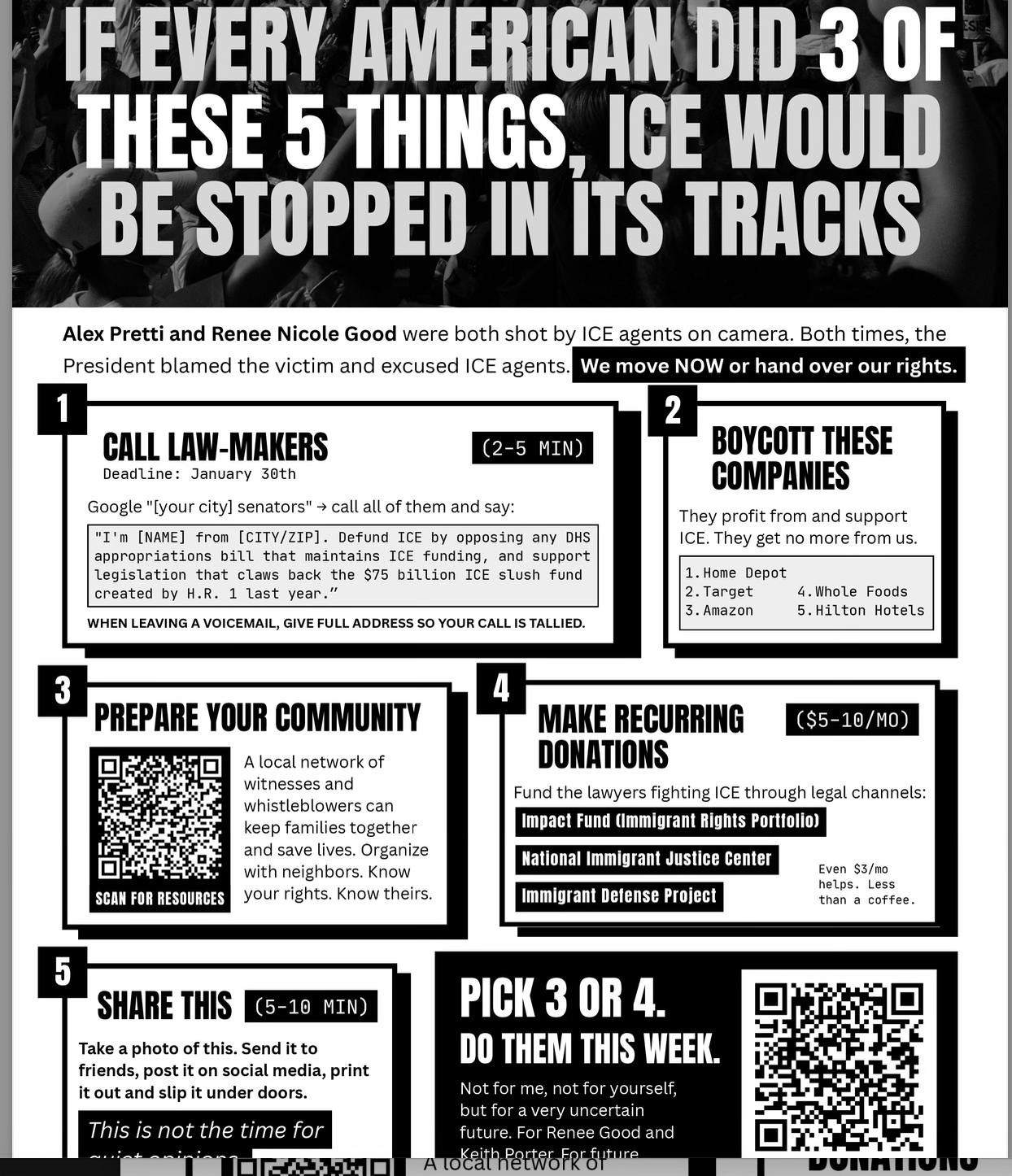
Full post, with downloadable pdf flyer: https://substack.com/home/post/p-185212503
Subscribe to Screenwriting Tricks for Authors for free weekly story structure posts.
Paid subscribers get access to the full archives and the option of private story feedback. Thanks for reading!
Find more on Inner and Outer Desire in Chapters 8,16, 25 and 26 of Stealing Hollywood and Writing Love, and throughout both books.

Get the workbooks:
Stealing Hollywood ebook, $4.99, also available as print workbook
Writing Love ebook, $2.99
Need some help? The Screenwriting Tricks for Authors workshop is available online, as a self-paced course with all the videos, assignments, movie breakdowns and personalized feedback you need to get that book written this year, 15 minutes at time.
In three parts, and you only pay for what you use.
If you have a first draft of a book or script already, or need more feedback, get targeted help getting you over the finish line in The Writers’ Room.
We learn during the course of the story that Rick has a history of resistance to totalitarianism, but he’s turned his back on it. So it’s not a complete change of character! I think it would have been equally effective if Rick had not had this history.
I thought I was mentally doing better and I had great initiative. Husband almost ready to test the website, photographer coming in early March to take "author photos),and starting to write content for the website. And, went back to the professionally edited first manuscript to rewrite the beginning to make it more attractive.
Then, another street execution.
Kudos, Alex, that you can carry on in spite of it all, No sarcasm, that takes fortitude that I don't feel right now.